
Service
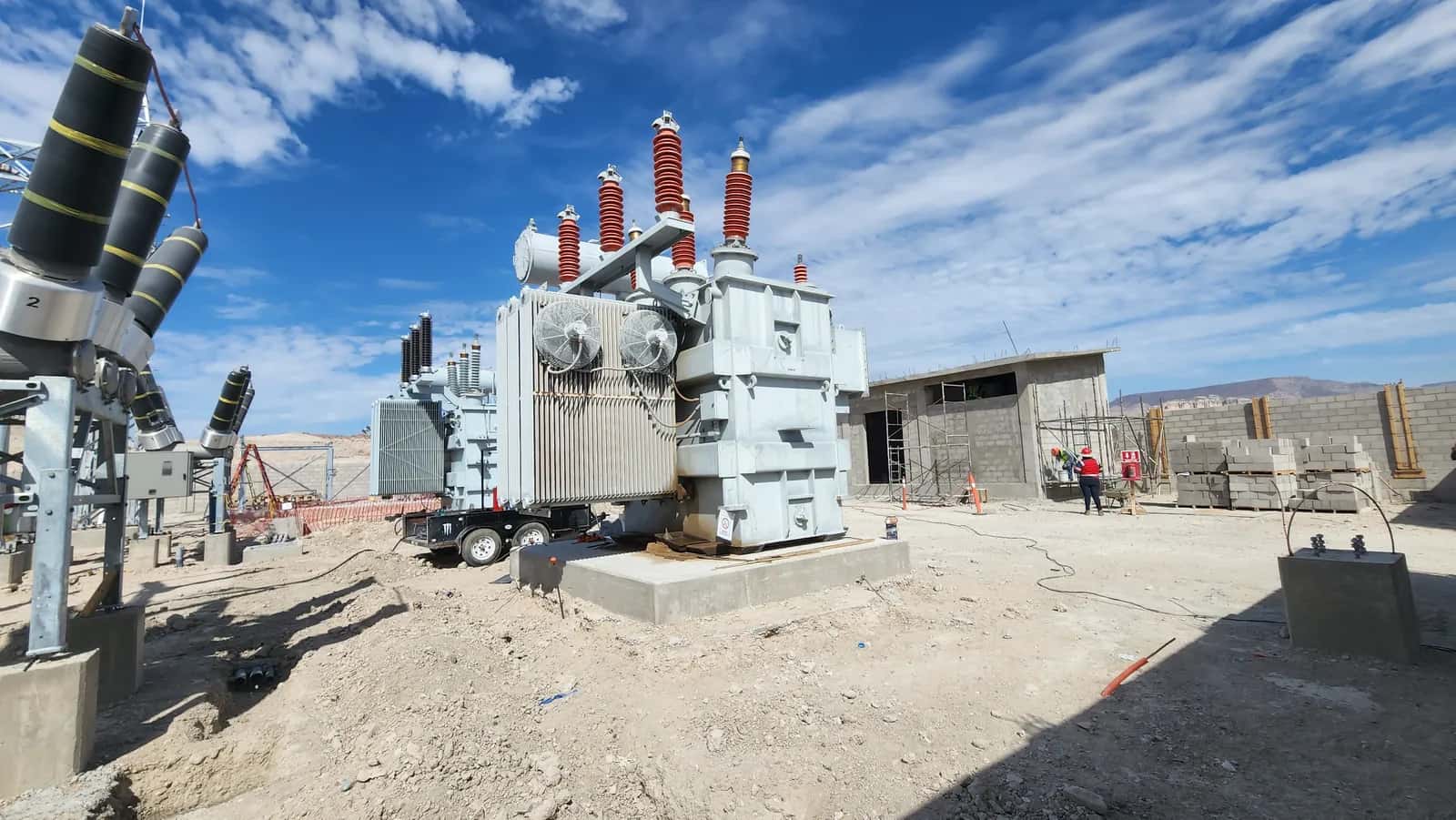
Transformer & substation commissioning
Pre-energization testing and acceptance protocol that documents results and supports the energization decision for a transformer or substation.
Energizing a transformer or substation without proper commissioning is a gamble: a wrong connection, a transport-induced fault, residual moisture or a mis-set protection can turn the first energization into a failure. Commissioning replaces that gamble with verification — a structured acceptance protocol that documents whether the asset matches its design and supports the decision to put it under load.
For a transformer, the battery includes turns ratio (TTR) and vector-group verification, winding resistance, power factor/Tan Delta, insulation resistance and polarization index, and oil tests — confirming ratio, connections, insulation condition and dryness. For a substation, it adds protection and relay verification, grounding system measurement and switchgear checks. Crucially, these readings become the baseline: every future periodic test is interpreted against the commissioning values.
TEVKO commissions transformers and substations of any manufacturer under IEEE C57 and IEC 60076, whether the asset is new, relocated to a new site (common in nearshoring projects) or returning from a repair. The deliverable is a documented commissioning protocol that records the results, supports the energization decision of the person responsible for it and establishes the asset's baseline.
Commissioning scope
Transformer commissioning
Ratio, vector group, winding resistance, power factor, insulation and oil tests before energizing.
When it applies: New, relocated or repaired transformers.
Substation commissioning
Protection/relay verification, grounding measurement and switchgear checks.
When it applies: New or modified substations before service.
How we commission
Review
Design and nameplate review and inspection of the installed asset.
Acceptance battery
Full electrical test battery (and protections/grounding for substations) with the asset de-energized.
Baseline
Results recorded as the asset's reference baseline for future diagnostics.
Protocol
Documented commissioning protocol that records results and supports the energization decision.
Video · Spanish audio
Transport, short circuit or earthquake? When an SFRA test is worth running
Damage to the windings is not always visible from the outside. Frequency response analysis compares the transformer's fingerprint against a reference and can reveal deformation that other tests may not show.
Full transcript and technical contextVideo
Transformer inrush current explained
A no-load transformer can draw 8 to 12 times rated current when energized. It is not always a fault: the core may be saturated.
Full transcript and technical contextFrequently asked questions — transformer & substation commissioning
What is transformer commissioning?
The acceptance battery of electrical tests and verifications performed before a transformer or substation is energized, documenting whether it matches its design and supporting the energization decision. It also captures the baseline against which every future diagnostic test is compared.
What tests are run during commissioning?
For a transformer: turns ratio and vector group, winding resistance, power factor/Tan Delta, insulation resistance with polarization index, and oil tests. For a substation, add protection/relay verification, grounding measurement and switchgear checks.
When is commissioning needed?
Before energizing a new transformer or substation, after relocating an asset to a new site (common in nearshoring projects), and after a repair. It replaces a blind first energization with documented results that support the energization decision.
Why does the commissioning baseline matter?
Because most diagnostic tests are far more useful as a trend than as an isolated value. The commissioning readings are the reference point every future periodic test is compared against, making later degradation easy to detect.
What is the difference between the FAT and the SAT you perform?
The FAT is performed by the manufacturer or repair shop at its plant, before shipment. The SAT is performed on site, with the unit installed and before energizing. For the SAT we take the factory test report as the reference and compare every value measured on site against it, so that any difference attributable to transport or installation is documented.
What do you need to quote a commissioning?
The transformer nameplate data or the substation single-line diagram, whether the unit is new, repaired or relocated, the factory test report if you have it, the location and the planned energization date. With that we define the scope of the SAT, the protection verification and the assisted energization.
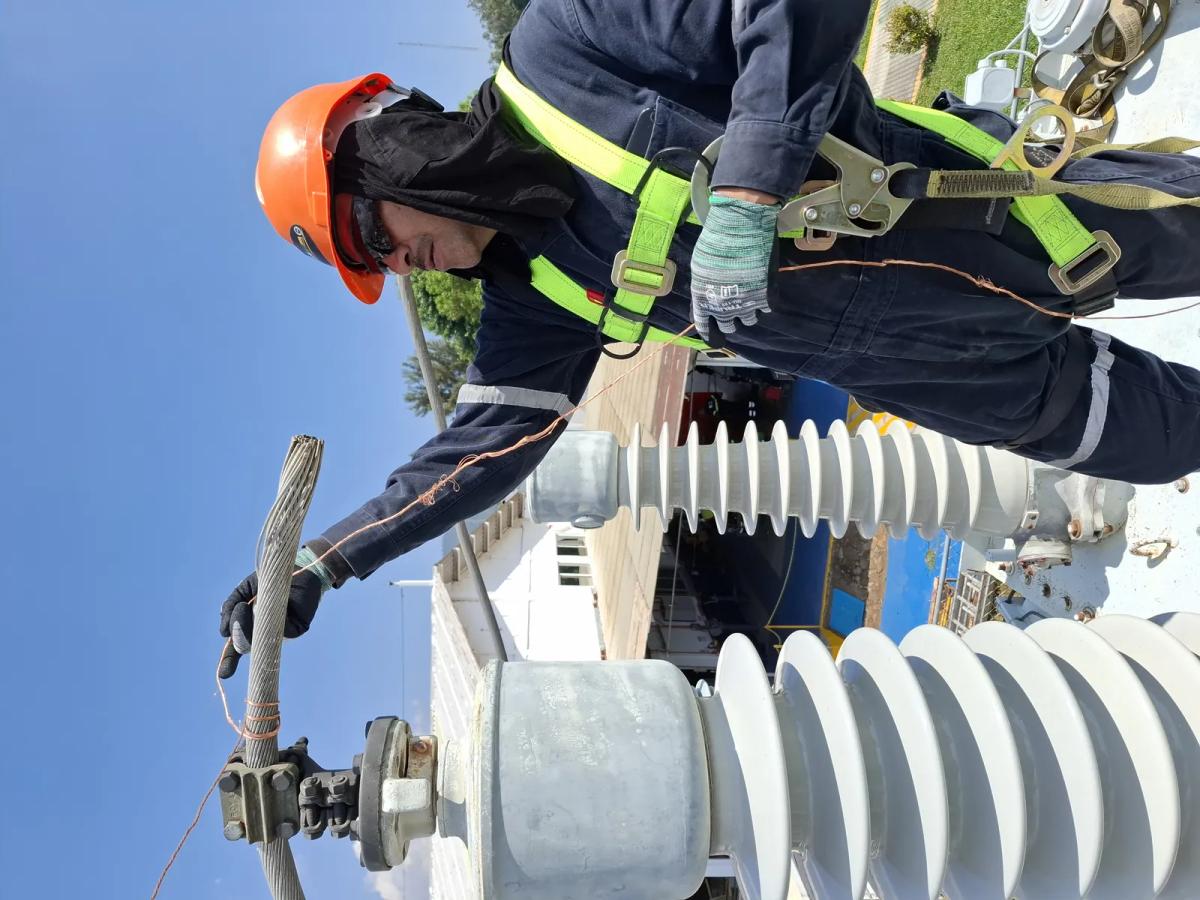
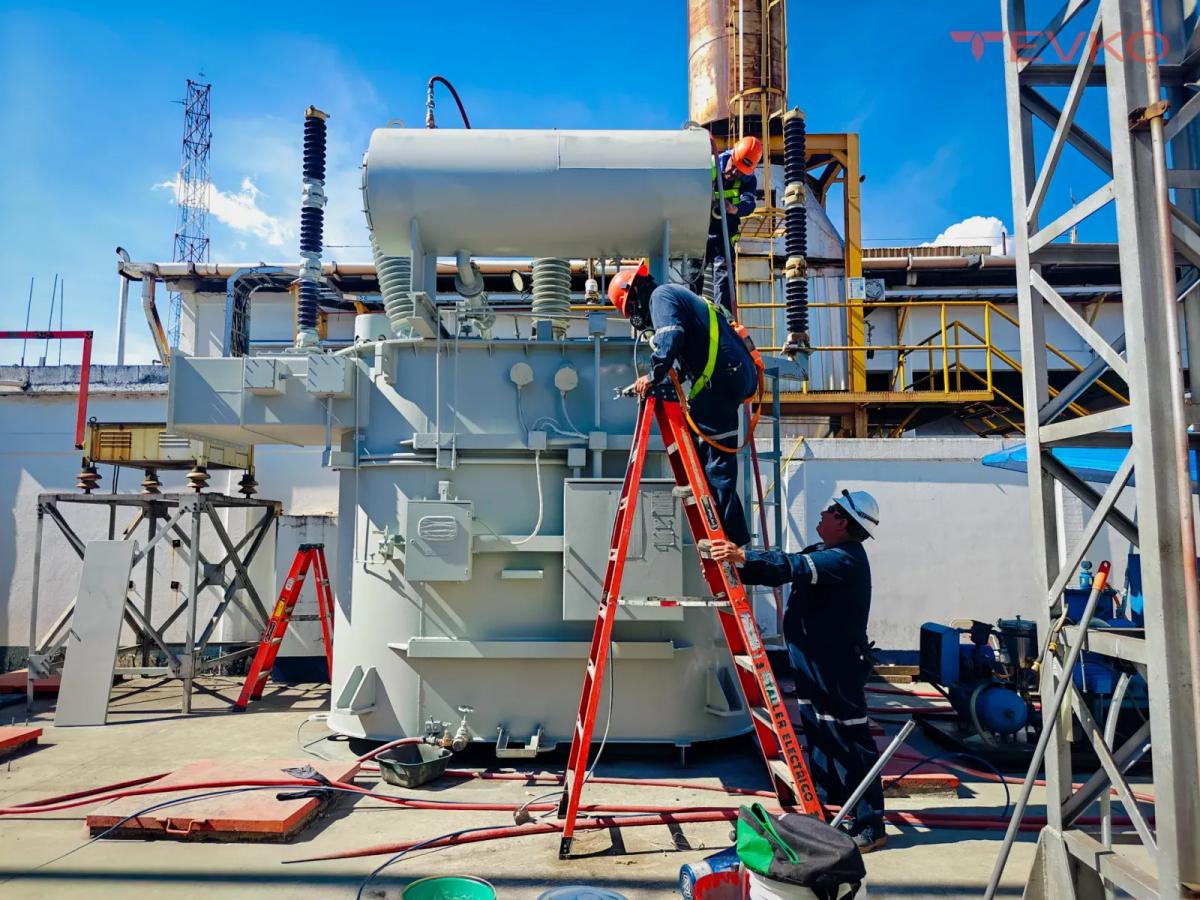
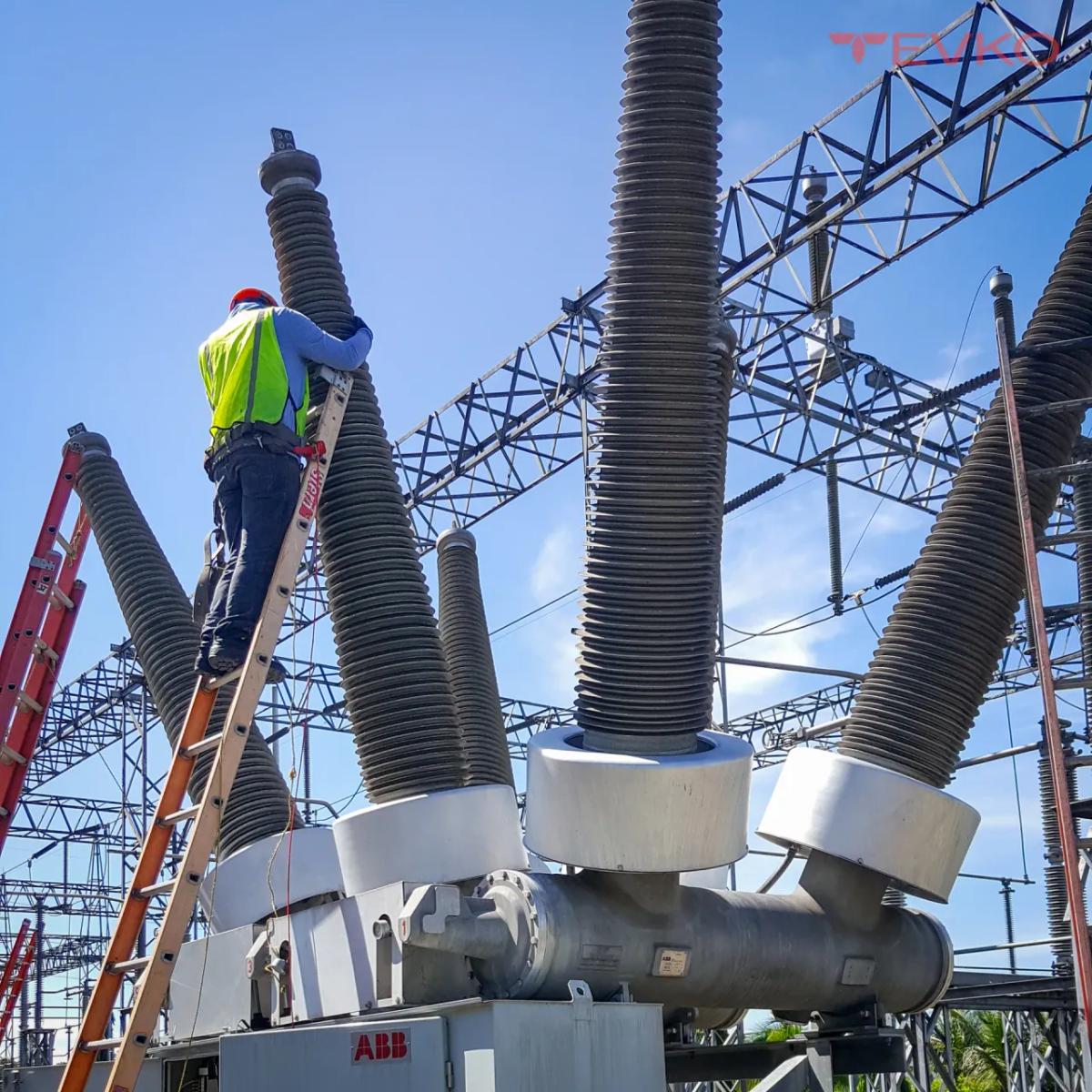
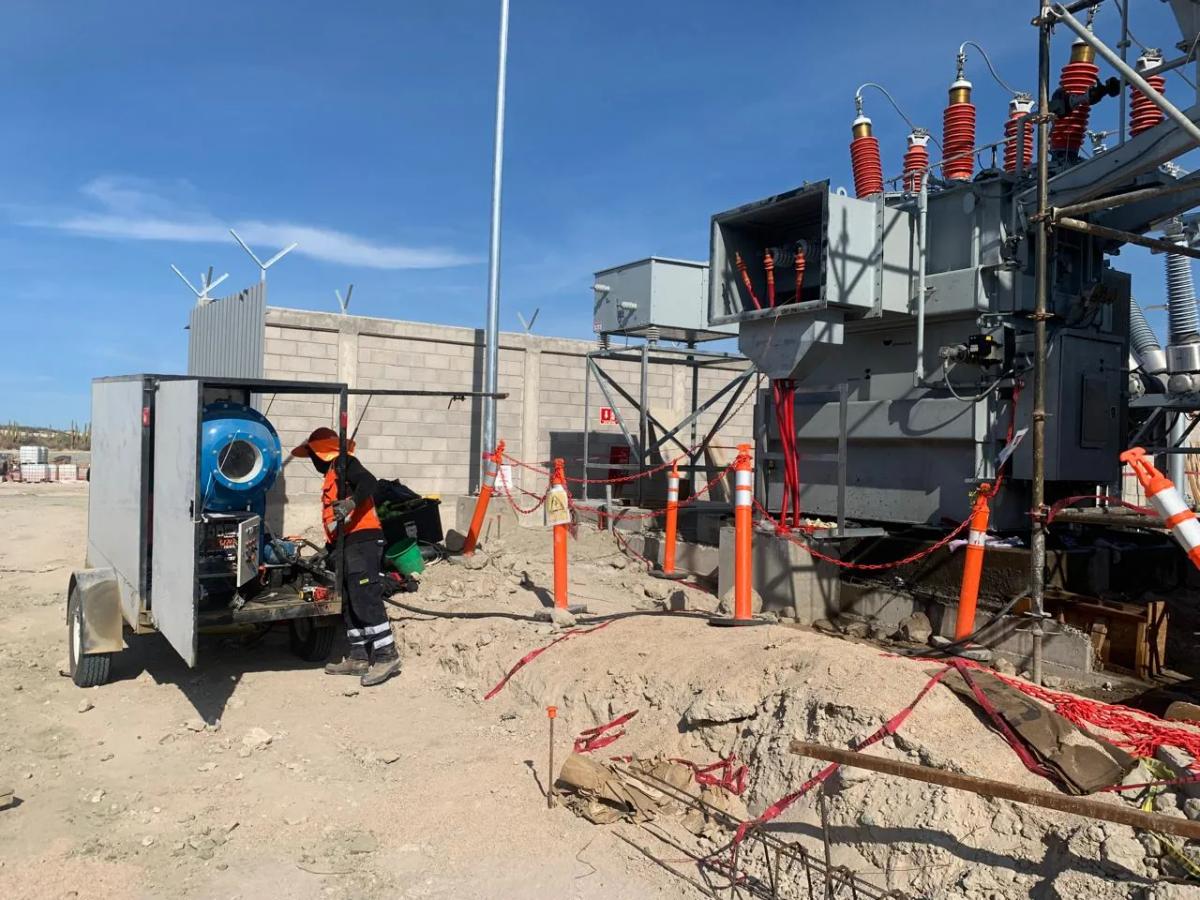
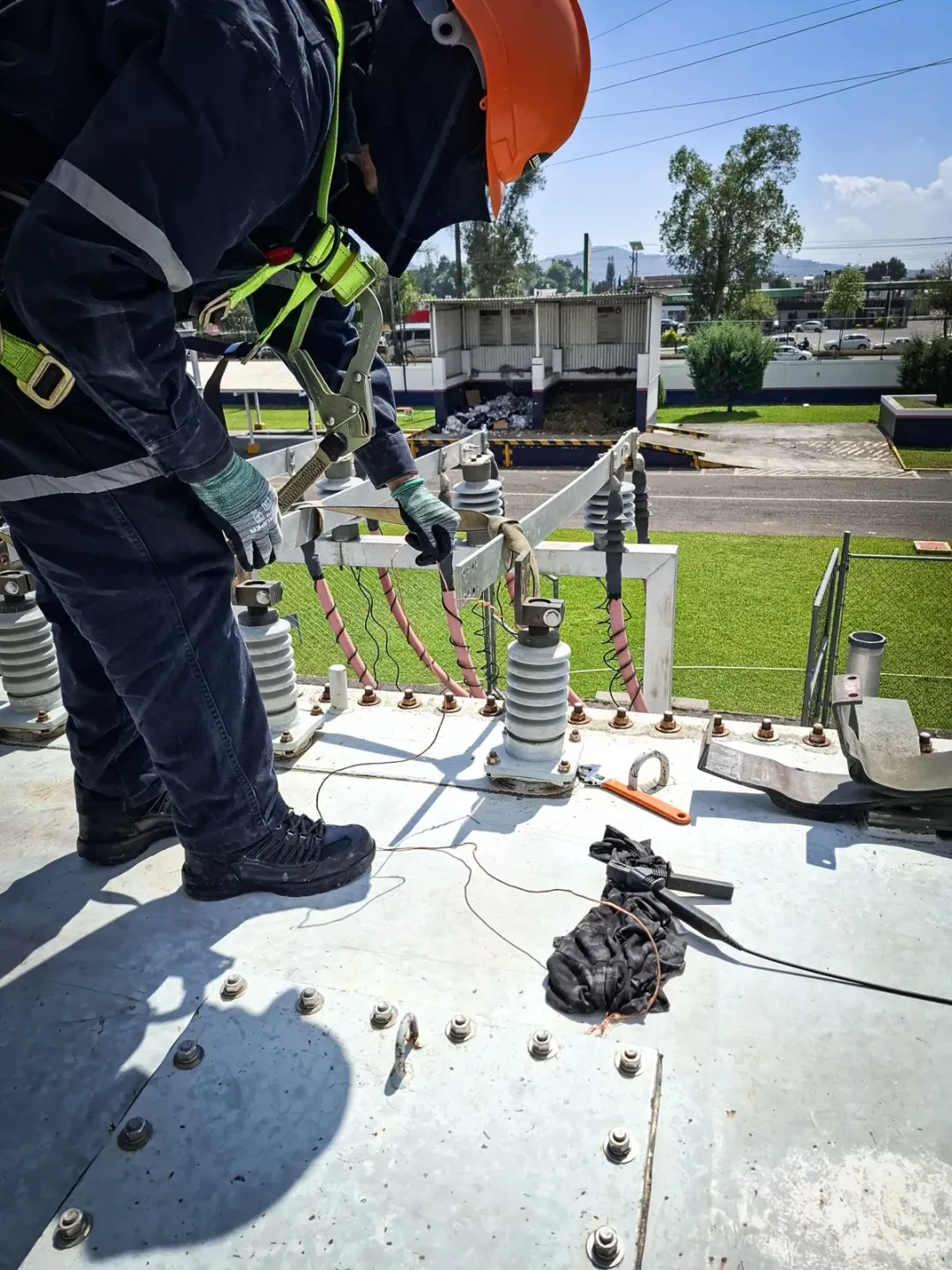
Transformer & substation commissioning in images
Related services and tests
Talk to a transformer specialist
Tell us about your asset so we can define the assessment scope and prepare a tailored quote.